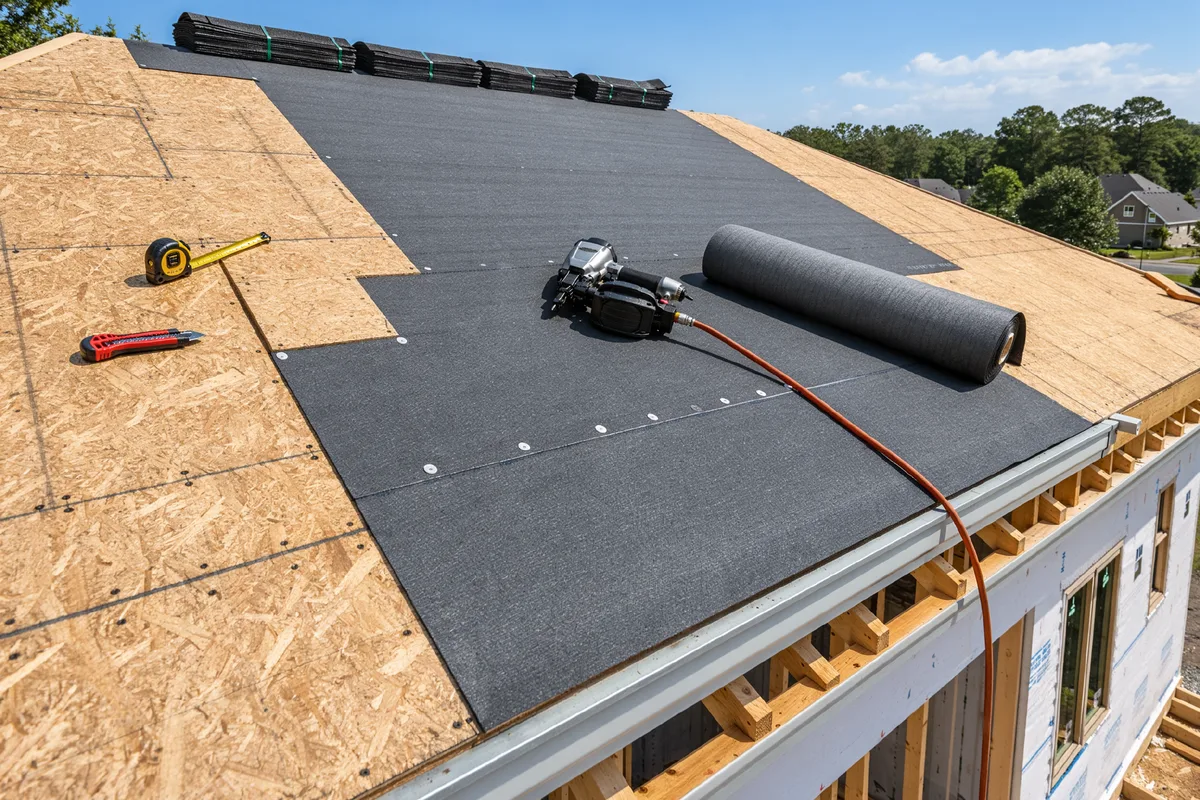
Roofing goes on after framing and sheathing, and getting the roof dried in quickly protects the interior from rain. Schedules tighten in the wet season, so talk early. Call the number on this page to be connected with a local roofing contractor in Indianola.
ADUs, garages and outbuildings
Detached structures have their own roof pitch, overhang and drainage questions. Low-slope shed roofs call for different membranes than a steep gable, and tiny roofs still need correct flashing. Describe the structure and the roofer can recommend a material that suits its slope and size. Ask whether the existing roof drains onto it.
Inspections along the way
New construction is inspected in stages, and the roof may be checked at the sheathing or underlayment stage. The roofer should know which milestones matter locally and leave work accessible until each passes. Ask who requests inspections and how corrections are handled. Corrections found early cost less than those found after final.
Building among tall firs means shade, needles and falling limbs, so ask the roofer about valley treatment, moss-resistant products and keeping new roofs clear of overhanging branches.
Building near the water exposes a new roof to salt air and strong gusts, so ask for corrosion-resistant fasteners and flashing and secure edge details.
What shapes the price of a new roof
- Roof area and number of planes
- Pitch and height
- Chosen material
- Flashing details and penetrations
- Access and staging space
A plan set lets a roofer quote closely instead of guessing. Tell the roofer about unusual features, such as turrets or flat sections, because they raise labor beyond what area alone suggests.
Code and plan review
New roofs must meet the building code adopted locally, including wind, energy and ventilation provisions. Your roofer works from the approved set. If the plans call for a specific product or assembly, confirm the quote names it, not a substitute. Ask for the exact product names and installation method.
Before you call in Indianola
Permit note from the Kitsap DCD: Roofing permit required for residential if it includes structural work or more than 2,100 square feet of roofing materials are being replaced; always required for commercial.
A quick check that pays off: enter the contractor's name in L&I's online verify tool to confirm an active Washington registration.
Homes near the water around Indianola take more wind and salt exposure, which wears metal flashing and fasteners faster.
Months of steady rain, shaded roofs and mild temperatures make moss and debris a constant here. Gentle removal is better for shingles than a pressure washer.
Tall evergreens around Indianola drop needles that fill valleys and gutters and keep roofs shaded and damp, which is where moss starts.
Storm took out power too? Report it to PSE at 888-225-5773, and stay clear of any downed line.
Contractors that take calls here usually also work in Bainbridge Island, Kingston and Suquamish.
Choosing color and finish
View shingle or metal samples outdoors against siding, trim and windows. Light and cloud change how they read, and large roof areas look darker than small samples. If your project is in an HOA community, get approvals before ordering materials. Do not rely on a screen or a photo alone.
New Roof Installation questions in Indianola
What is the difference between a new roof installation and a replacement?
Can a builder choose the roofer for me?
What roofing material works best for an ADU?
What should I know about ventilation in a new roof?
More roofing services in Indianola
New Roof Installation nearby
Helpful guides
Sources
Last updated: