Cedar shakes can often be repaired when the damage is limited to a few split or missing pieces, but widespread rot or soft spots usually point toward replacement. A roofer has to look at the underlayment and the boards below, not just the surface. Call the number on this page to be connected with a local roofing contractor in Suquamish.
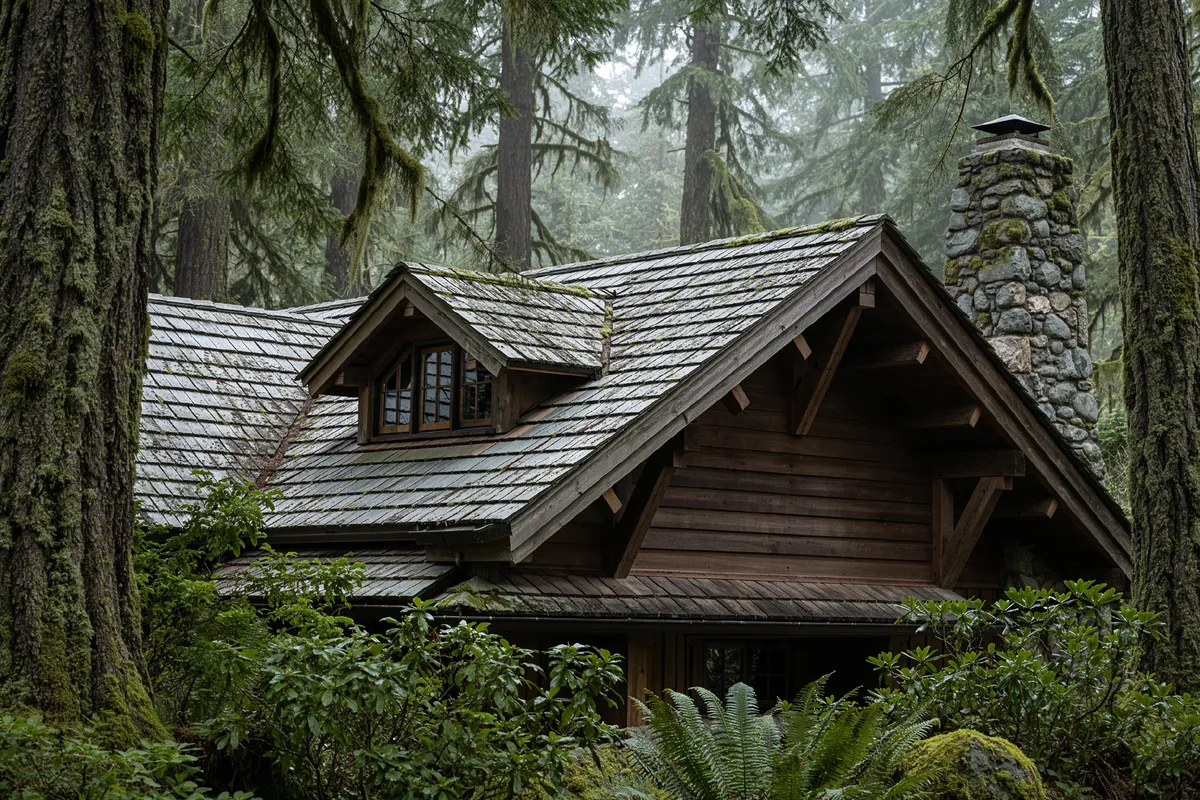
Signs cedar shakes are failing
Cupped, split or missing shakes are the obvious signs, but also watch for dark soft patches, bare wood where the surface has worn away, and shake fragments piling up in the gutters. Binoculars from the yard show a lot. Daylight showing through attic boards is a serious warning.
Past treatments can backfire
Pressure washing blasts away the soft outer wood and can leave shakes thinner and thirstier. Some coatings seal moisture in rather than out. A roofer will ask what has been done in the past before recommending anything new for the roof. Past treatments change what a roofer recommends.
Tall firs and cedars around many homes here drop needles into valleys and shade the roof, which keeps shakes damp and encourages moss, rot and limb damage in windstorms.
Wind and damp salt air off the water can speed corrosion on shake nails and flashing, and exposed bluffs take the brunt of fall storms.
Repair now or replace later
Spot repairs cost less today, but they only pay off if the surrounding shakes are sound. A roofer can tell you how much life is left, which helps you decide whether to patch once and plan ahead or put the money toward a new roof.
Permits, weather and roofs in Suquamish
Reroof permits for Suquamish addresses go through the Kitsap DCD. Its published rule: roofing permit required for residential if it includes structural work or more than 2,100 square feet of roofing materials are being replaced; always required for commercial.
Before work begins, look the company up on L&I's Verify a Contractor page. Washington requires construction contractors, roofers included, to be registered.
Homes near the water around Suquamish take more wind and salt exposure, which wears metal flashing and fasteners faster.
Fall and winter windstorms are the main source of sudden roof damage around Puget Sound. Lifted tabs and loose ridge caps are worth a look after a blow.
With big firs and cedars close to many homes in Suquamish, falling limbs during windstorms are a real roof risk. Trimming overhanging branches helps.
Storm took out power too? Report it to PSE at 888-225-5773, and stay clear of any downed line.
Contractors that take calls here usually also work in Silverdale, Poulsbo and Indianola.
Questions worth asking
Ask how many shakes are affected, whether underlayment is visible, how long a repair should hold, and what the conversion process looks like. Request a written scope. Roofers who work on wood shakes will usually be comfortable explaining each point in plain language. Photos of the roof help.
What to do if water is coming in
- Move belongings away from the drip
- Place a bucket or tub underneath
- Photograph the stain and the attic
- Note when it started and how heavy the rain was
Then call; the roofer can advise on temporary protection. Calling quickly keeps small leaks small.
Cedar Shake Roofing questions in Suquamish
Can a cedar shake roof be repaired?
What are the alternatives to replacing with new cedar?
Why are my shakes splitting?
Will new shakes match my old roof?
More roofing services in Suquamish
Cedar Shake Roofing nearby
Helpful guides
Sources
Last updated: