You do not need to climb up to know the roof was hit. Binoculars from the yard, a look in the attic and shingle pieces on the lawn tell much of the story. Call the number on this page to be connected with a local roofing contractor in Suquamish.
Slopes that take the worst of it
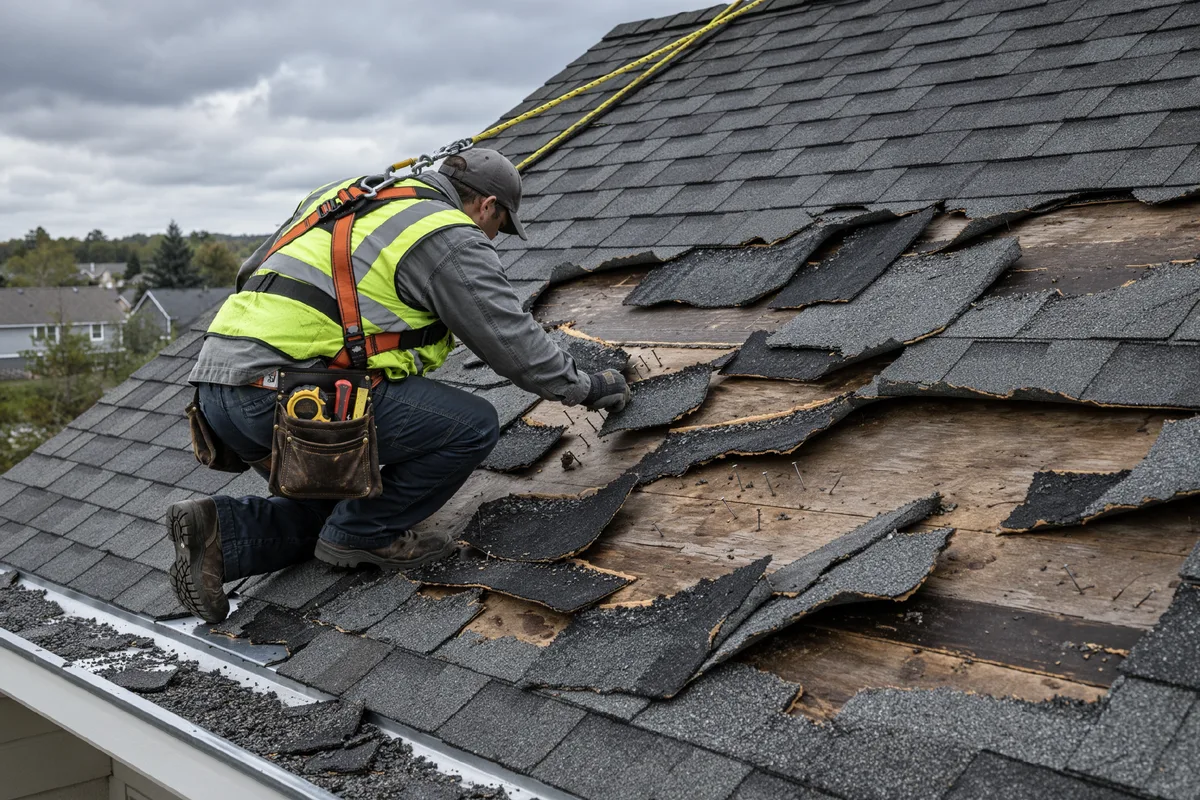
Strong south winds in this region tend to hit the south and southwest faces, edges, corners and ridges hardest. Check those first from the ground. A lopsided pattern of damage is typical and points to an exposed side, not a defective roof overall.
Flashing and vents in the wind
Metal edges, vent hoods, chimney collars and valley flashing can bend or lift under repeated gusts, creating leak paths even where shingles survive. A roofer checks every penetration, since a small bent piece can cause a larger problem during the next rain. Every one gets checked.
Exposed shoreline and bluff locations see stronger winds, so ask the roofer to check sealant strips and fasteners on the most exposed slopes.
With so many tall trees nearby, wind damage here is often mixed with limb impact, which roofers assess separately for repairs and for claims.
Know your policy basics
Check your deductible, any separate wind provision and the time limit for reporting a claim. Some policies treat wind differently from other perils. If the repair costs less than the deductible, a claim may not make sense, so compare before filing. Compare the figures before you decide.
Know this about Suquamish roofs
Permit note from the Kitsap DCD: Roofing permit required for residential if it includes structural work or more than 2,100 square feet of roofing materials are being replaced; always required for commercial.
Before work begins, look the company up on L&I's Verify a Contractor page. Washington requires construction contractors, roofers included, to be registered.
Homes near the water around Suquamish take more wind and salt exposure, which wears metal flashing and fasteners faster.
Fall and winter windstorms are the main source of sudden roof damage around Puget Sound. Lifted tabs and loose ridge caps are worth a look after a blow.
Tall evergreens around Suquamish drop needles that fill valleys and gutters and keep roofs shaded and damp, which is where moss starts.
Storm took out power too? Report it to PSE at 888-225-5773, and stay clear of any downed line.
Nearby, the same kind of help is available in Silverdale, Poulsbo and Indianola.
Storm surge in demand
After a big windstorm, many owners call at once, and roofers triage by urgency. Open roofs and active leaks go first. A repair that is not urgent may wait, so protect what you can and ask for realistic expectations on timing. Honest roofers explain the schedule openly.
If rain is already getting in
Catch drips inside, move belongings, and photograph the damage. Ask the roofer about temporary cover over the opening, which also helps show you tried to limit further loss. Stay off wet, windy roofs; the repair can wait for a safe window. Wait for dry weather before major work.
Storm Damage Roof Repair questions in Suquamish
Can I check the roof myself?
How do I document storm damage for insurance?
Will insurance pay for storm damage repair?
Why did only one side of my roof get damaged?
More roofing services in Suquamish
Storm Damage Roof Repair nearby
Helpful guides
Sources
Last updated: