Condensation in an attic usually comes from warm, moist indoor air reaching cold roof boards, and with long wet winters here the damage can build quietly. A roofer can check whether intake and exhaust airflow are balanced and whether any fans dump moisture upstairs. Call the number on this page to be connected with a local roofing contractor in Silverdale.
Signs the attic is not breathing
Water droplets or frost on roof nails, dark stains on the underside of the decking, wet or compressed insulation and a musty smell are classic signs. Look with a flashlight from the attic hatch, and note whether it feels stuffy and warm or damp and cold.
Skylights, chimneys and other obstacles
Chimneys, skylight shafts and framing can dead-end airflow in a section of attic. Even when most of the roof breathes well, one cut-off bay can stay wet and rot. Roofers look for these pockets when tracing air paths. Those hidden pockets can stay damp all winter without anyone noticing.
Needles and debris from nearby firs can gum up vent screens, so a roofer checking airflow on wooded lots will often clear intake areas first.
Know this about Silverdale roofs
On permits, the Kitsap DCD says: roofing permit required for residential if it includes structural work or more than 2,100 square feet of roofing materials are being replaced; always required for commercial.
A quick check that pays off: enter the contractor's name in L&I's online verify tool to confirm an active Washington registration.
Fall and winter windstorms are the main source of sudden roof damage around Puget Sound. Lifted tabs and loose ridge caps are worth a look after a blow.
Tall evergreens around Silverdale drop needles that fill valleys and gutters and keep roofs shaded and damp, which is where moss starts.
Electric service here comes from PSE (outages: 888-225-5773). Keep away from any line touching the house or a fallen tree.
Find the age of the roof if you can (closing papers or old receipts help) and note where any water shows up inside.
Calls from Silverdale are often matched with roofers who also cover Poulsbo, Suquamish and Seabeck.
Standalone job or part of a reroof
When the roof is already coming off, adding ridge vents or new roof vents is relatively simple. Doing the same on an existing roof takes more careful cutting and sealing. Ask the roofer how the timing changes your overall costs. Both approaches are common.
Ridge vents explained
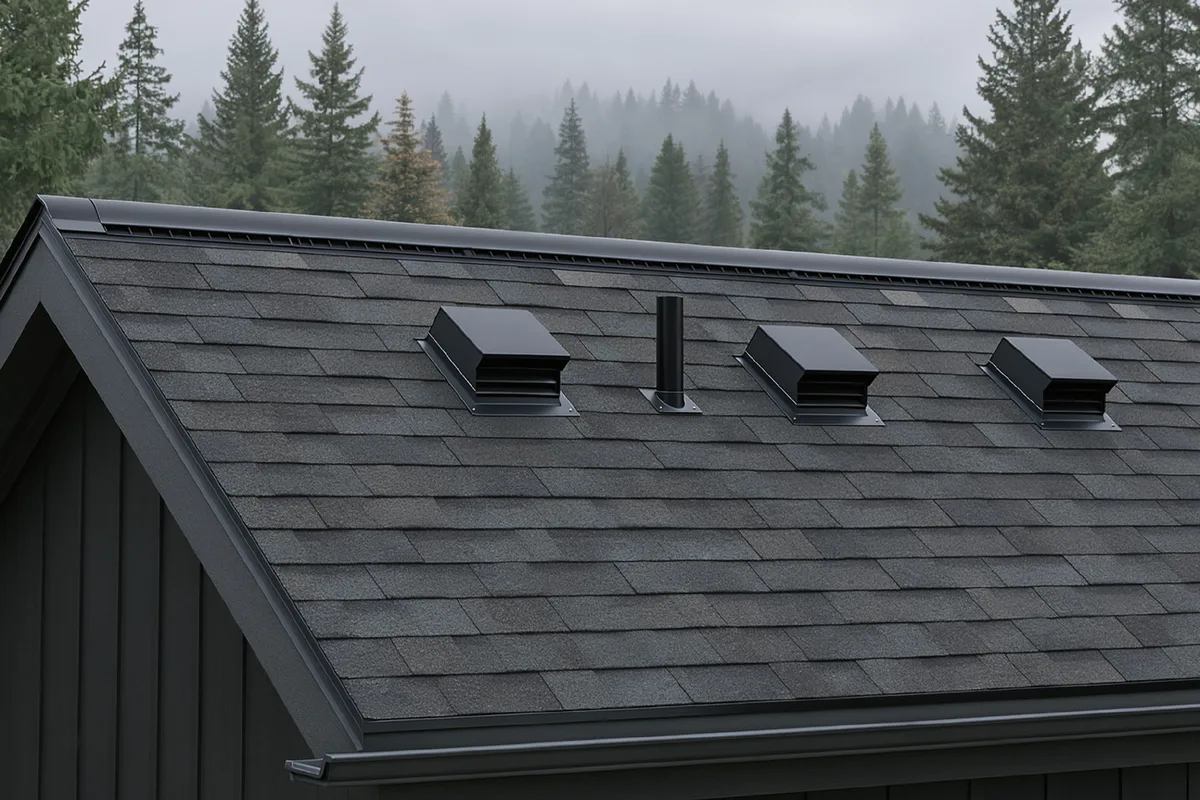
A ridge vent is a continuous opening along the peak covered by a vent cap. It works well when soffits supply air and nothing else competes with it. Ask whether your roof framing supports it and how it will handle wind-driven rain. Wind-driven rain and snow should be addressed.
Take photos and keep notes
Record the date, weather and what you see: droplets, stains, damp insulation, a musty smell. Pictures of the fan duct ends and soffit areas help a roofer give better guidance on the phone before anyone visits. Share them with the roofer, along with notes on when it is worst.
Roof Ventilation questions in Silverdale
What causes condensation in an attic?
Do ridge vents work without soffit vents?
Can I mix different types of roof vents?
What does a ventilation inspection involve?
More roofing services in Silverdale
Roof Ventilation nearby
Helpful guides
Sources
Last updated: