A good inspection ends with a straight answer on whether the roof needs repair, ongoing upkeep or eventual replacement. Ask the roofer to explain the findings in plain language. Call the number on this page to be connected with a local roofing contractor in Seabeck.
Before the rainy season
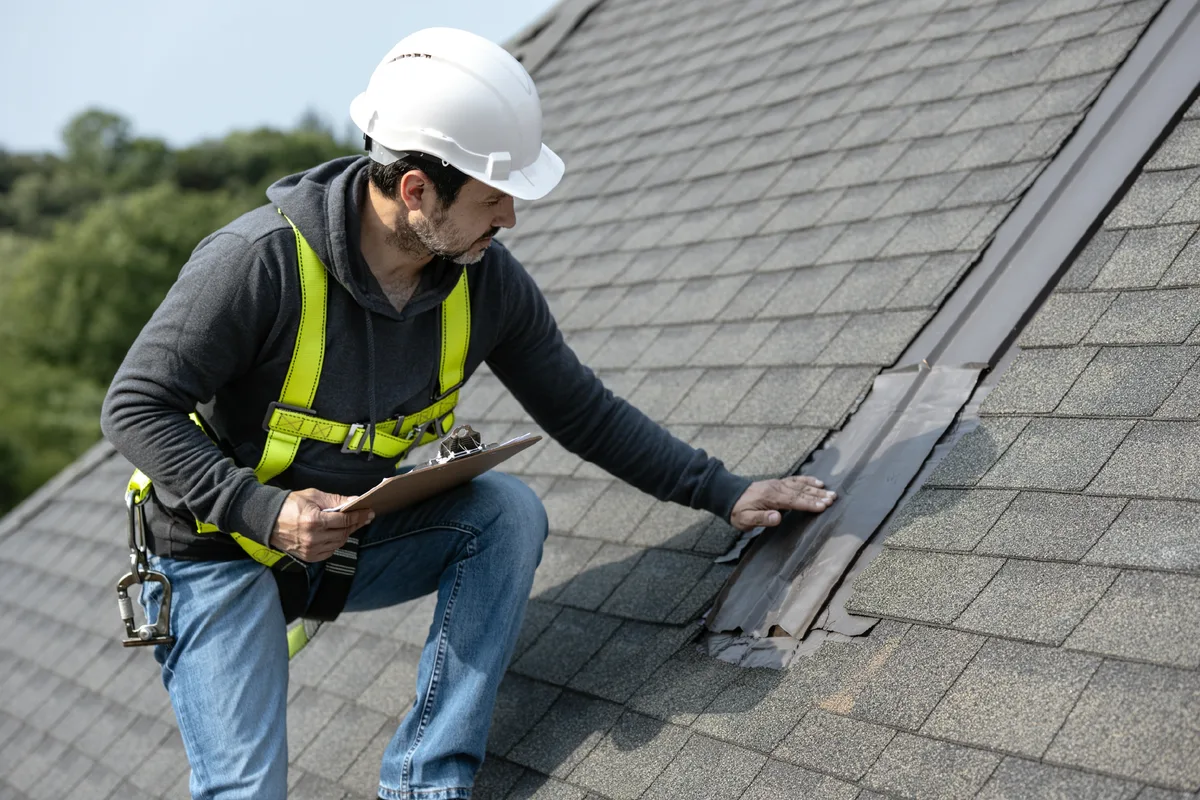
Late summer or early fall is ideal for finding weak spots while the roof is dry and accessible. Clearing debris, resealing a few joints and fixing loose shingles beforehand is much easier than doing it in a downpour. A roofer can explain what each finding means.
Decking and structure
From inside or on the surface, a roofer looks for sagging, spongy areas or rotted boards. These conditions mean water has been getting in for some time. Findings guide whether you need a patch, a section replacement or more extensive work. Get the details in writing whenever possible.
Tall firs and cedars drop needles into valleys and keep shaded slopes damp, so inspections here often focus on moss, clogged valleys and limb damage.
Wind off the water and salt air wear on flashing, fasteners and exposed edges, so shoreline inspections look closely at metal parts and ridge lines.
Is an inspection ever unnecessary?
If you already know the roof is failing, you may skip straight to replacement bids. But even then an inspection documents conditions and decking, so replacement quotes are based on real findings, not assumptions. An honest roofer will say when no work is needed. Early attention usually keeps repairs small.
What you should receive
Expect a summary of the roof's condition, photos of any problems, a list of recommended repairs in order of priority, and an estimate of remaining life. Ask whether recommendations are urgent or can wait, and whether any item calls for a specialist such as a chimney mason.
Gather your records
- Roof age and installer, if known
- Past repair invoices
- Any warranty paperwork
- Photos of earlier problems
These help the roofer understand the roof's history and interpret what they find. Neighbors' roofs of the same age can offer a clue. Check that gates and access routes are clear.
Local details for Seabeck
Reroof permits for Seabeck addresses go through the Kitsap DCD. Its published rule: roofing permit required for residential if it includes structural work or more than 2,100 square feet of roofing materials are being replaced; always required for commercial.
Washington requires roofing contractors to register with the Department of Labor & Industries. L&I's Verify a Contractor tool shows a company's registration status before you sign anything.
Homes near the water around Seabeck take more wind and salt exposure, which wears metal flashing and fasteners faster.
Months of steady rain, shaded roofs and mild temperatures make moss and debris a constant here. Gentle removal is better for shingles than a pressure washer.
With big firs and cedars close to many homes in Seabeck, falling limbs during windstorms are a real roof risk. Trimming overhanging branches helps.
Contractors that take calls here usually also work in Silverdale, Bremerton and Quilcene.
Roof Inspection questions in Seabeck
Do I need to be home for the inspection?
Will the roofer walk on my roof?
Is a roof inspection worth it before buying a house?
Should I have the roof cleaned before an inspection?
More roofing services in Seabeck
Roof Inspection nearby
Helpful guides
Sources
Last updated: